
The Power of Interdisciplinary and Interfaith Synergy
At the University of Nairobi, we consistently advocate for interdisciplinary solutions to complex
regional and global challenges. Yet, we rarely extend this invitation far enough into the realm of
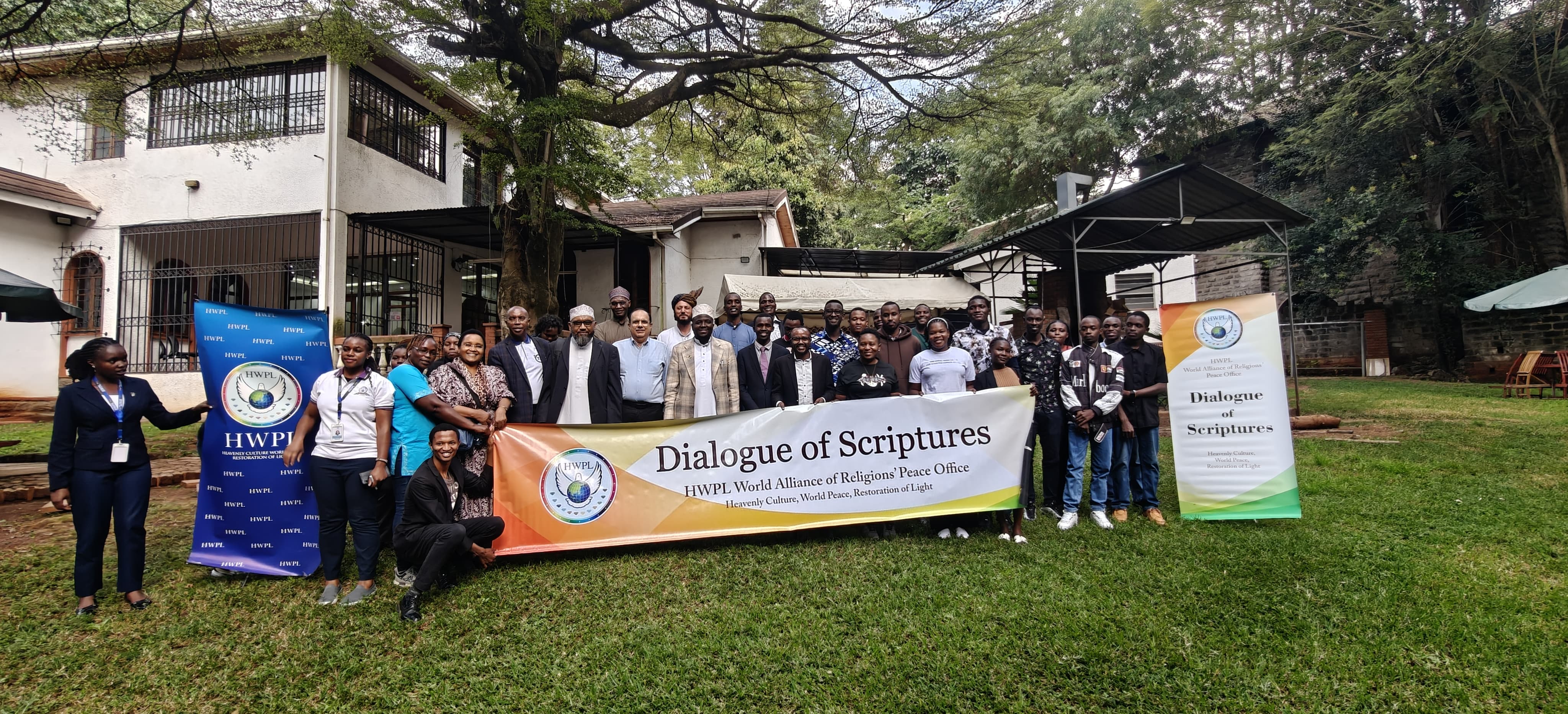
faith. The HWPL dialogue, hosted elegantly at the Harmony Institute on June 27/26 from 14:00 to 16:00 (EAT), proved that scriptural texts hold untapped, transformative potential for mobilizing grassroots
environmental action.
When multi-faith scholars gather to compare notes on ecological responsibility, a unifying truth
emerges: the degradation of our planet is not just an economic or political failure; it is a
profound moral crisis. For our students and researchers in Kenya, where the realities of climate
change from unpredictable rainfall to severe droughts directly disrupt lives and livelihoods,
bringing faith communities into the conversation creates an incredibly potent alliance for
behavioral change. As a lecturer and researcher, Dr. Hassan Kinyua Omari, firmly believe that for our students and communities in Kenya where the realities of climate change directly disrupt lives and livelihoods bringing faith traditions into the active conversation creates an incredibly potent alliance for behavioral change.
Deconstructing the Event: A Blueprint for Meaningful Dialogue
The structured progression of the dialogue offered an instructive model for how complex,
emotionally charged global topics should be managed and unpacked. Following a smooth arrival
and registration period, the moderator initiated the Opening Session by framing the urgent
environmental theme and acknowledging the diverse assembly of participants.
A particularly anchoring moment was the screening of a six-minute HWPL Peace Introduction
Video. This set a constructive tone, illustrating that true, sustainable global peace cannot exist in
isolation from ecological stability and resource security. The Topic Introduction then established
the baseline for the afternoon's core event: a highly anticipated Panel Discussion.
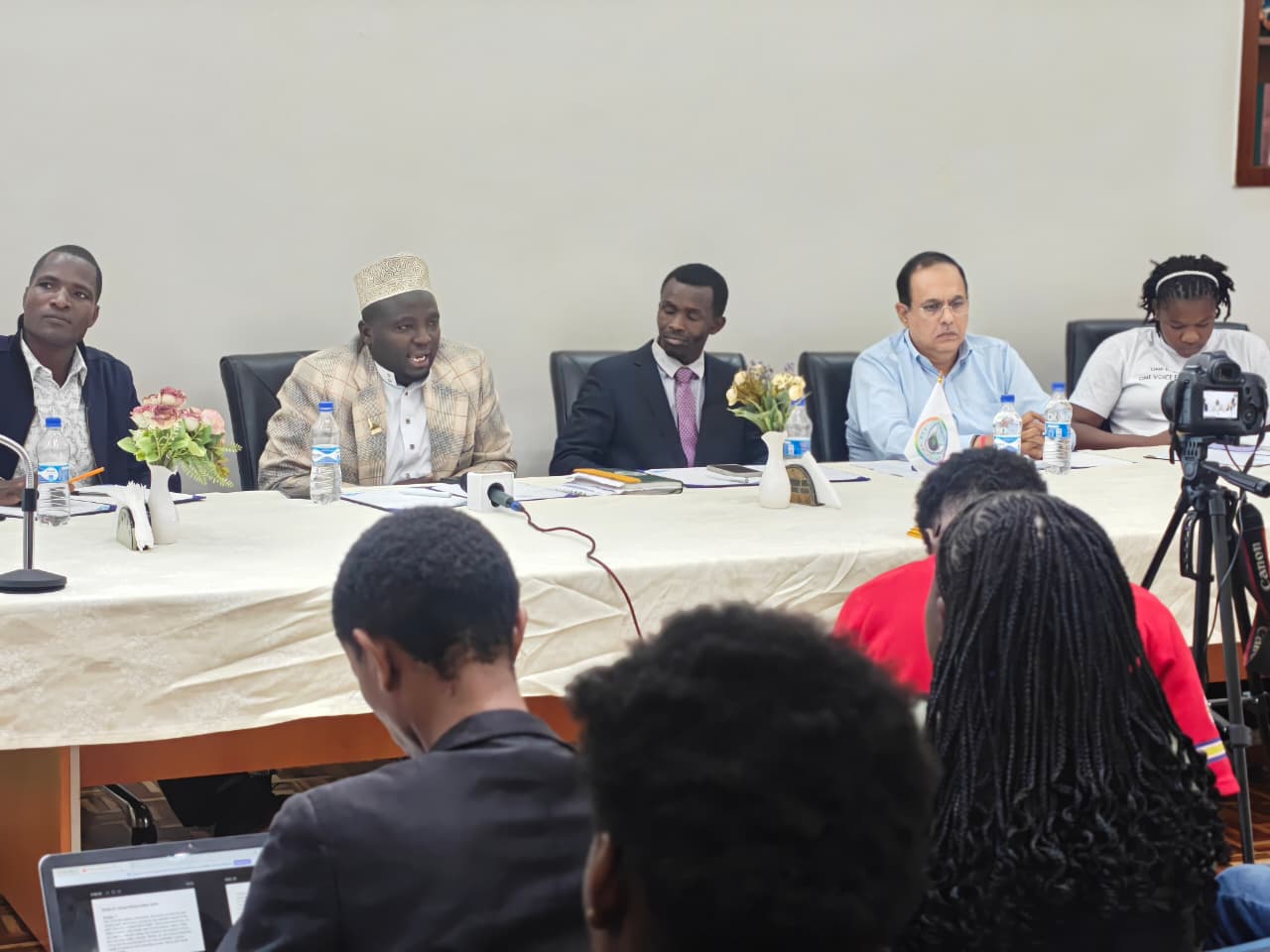
During this panel, multi-faith leaders shared deep scriptural insights and practical best practices
drawn directly from their respective traditions. Rather than focusing on theological divisions, the
panelists highlighted shared commitments to conservation, resource mindfulness, and mutual
accountability. The subsequent Audience Q&A Session transformed the event into a genuinely
dynamic forum, allowing participants to share their own local reflections and ask practical
questions about implementing these scriptural values in everyday community life. The afternoon
concluded with clear summaries and forward-looking announcements regarding upcoming
HWPL programs.
Bridging Academia and Community Action
What can we, as members of the University of Nairobi academic community, take away from this
dialogue? The primary lesson is that our climate communication needs a soul. We can publish
endless papers on carbon footprints, sustainable agriculture, and ecological policy, but unless
these concepts resonate with the core values and beliefs of our communities, widespread
implementation will remain frustratingly slow.
By framing environmental responsibility through a scriptural lens, HWPL has provided a
powerful mechanism to inspire real, lasting change. It reminds us that protecting our
environment is a shared human obligation that transcends theological boundaries. As educators,
thinkers, and citizens, it is our duty to support and amplify these multi-faith efforts, ensuring that
our academic knowledge works hand-in-hand with the moral conscience of our communities to
safeguard our shared home.
- Log in to post comments