

Executive Overview
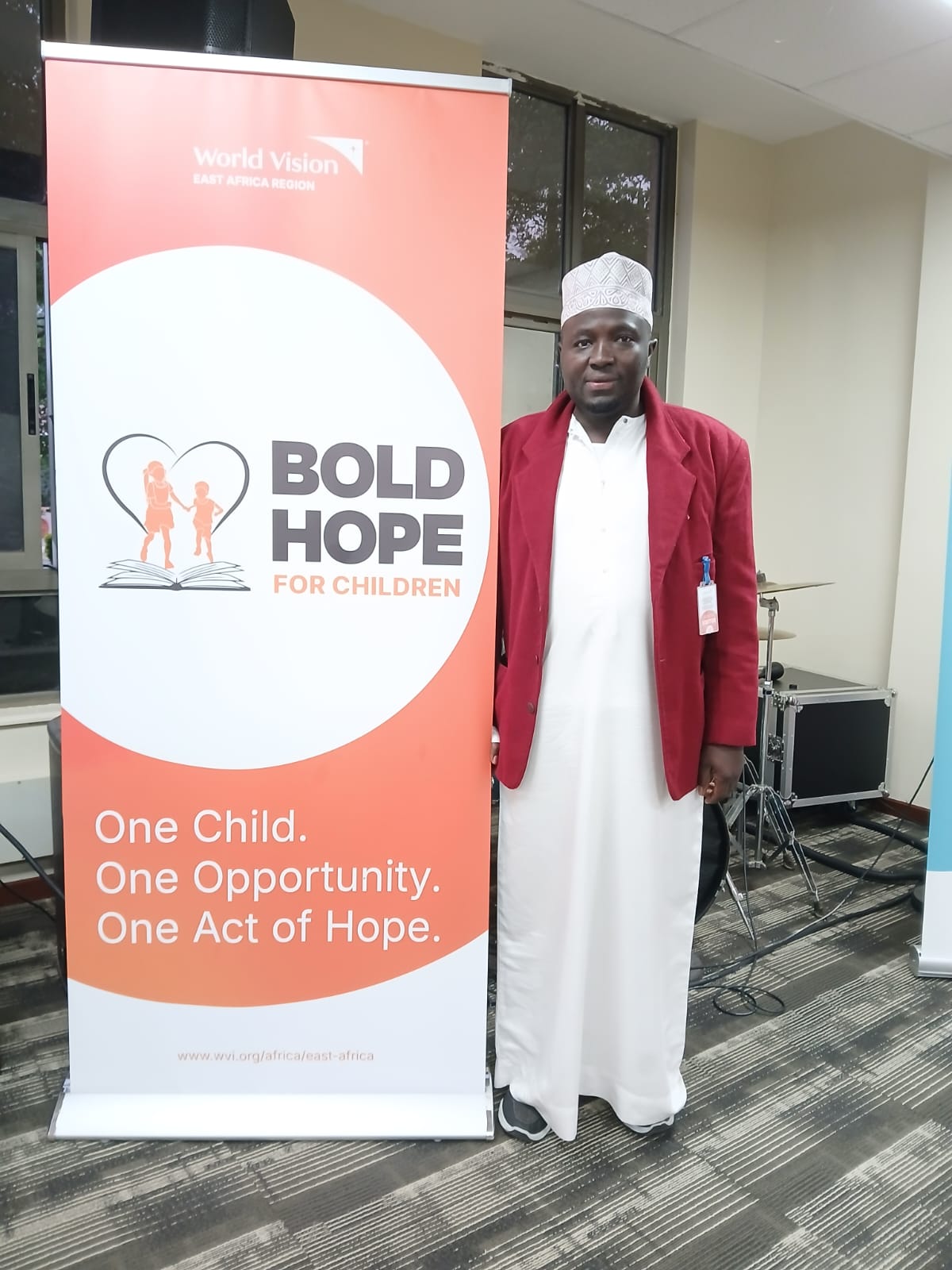
Gender-Based Violence (GBV) remains one of the most pressing human rights and societal challenges across East Africa. While legal frameworks and policy interventions are critical, long-term transformation demands deeply rooted community action where faith leaders stand directly on the frontlines. Speaking at the World Vision East Africa Regional Office in Karen, Dr. Hassan Kinyua Omari from the Department of Philosophy and Religious Studies at the University of Nairobi addressed faith actors, policy advocates, and development partners on the strategic role of religious institutions in combating GBV. The regional gathering convened under the theme of elevating female faith leaders' voices to center survivors, strengthen partnerships, and shape a safer future for women and girls.
Centering Survivors Through Data-Informed Care
Faith institutions are frequently the very first sanctuary survivors turn to for counsel, shelter, and spiritual healing. Moving from passive sympathy to active intervention requires grounding pastoral care in empirical data. Academic research directly informs pastoral support by leveraging regional statistics to identify high-risk areas and pinpoint specific socio-economic barriers preventing women from seeking help. Furthermore, religious institutions must transform into safe, confidential spaces that unconditionally prioritize trauma-informed survivor safety over organizational or cultural reputation. Equipping faith leaders with sociological evidence allows them to actively dismantle and debunk harmful cultural practices that are mistakenly justified through religious texts.
Strategic Imperative of Female Faith Leadership
Elevating women into decision-making roles within religious hierarchies is an urgent necessity for effective GBV intervention. Female faith leaders hold deep trust within their communities, placing them in an ideal position to detect early warning signs of abuse and offer empathetic support. Achieving this requires transitioning female faith leaders from peripheral support roles into formal policy-making positions on faith councils and national boards. It also requires delivering targeted capacity building focused on legal reporting protocols, referral pathways, and formal psychosocial counseling. Protection programs must be co-designed side-by-side with women who understand local realities firsthand.
Cross-Sector Partnerships and Policy Alignment
No single sector can end GBV in isolation; uniting academia, faith organizations, civil society, and government bodies is essential for sustainable policy enforcement and cultural change. Within this framework, academia provides evidence-based research and ethical analysis to inform policy formulation and training curricula. Faith institutions leverage their moral authority and community trust to drive behavioral change and provide safe sanctuaries. Non-governmental organizations like World Vision mobilize grassroots resources to scale protection programs and deliver direct survivor aid, while policy and governance bodies enforce legislation and ensure judicial support. Bridging higher education, regional organizations, and local faith communities creates robust accountability systems that protect vulnerable women and girls.
Intergenerational Prevention and Educational Outreach
Ending GBV requires stopping violence before it starts by educating young men and women on equality, bodily autonomy, and mutual respect to break intergenerational cycles of abuse. Youth mentorship, school outreach, and university engagement serve as essential levers for long-term cultural change. As Dr. Omari emphasized, building a future free from violence starts with the values instilled in young people today. When faith leaders consistently advocate for equality and dignity from the pulpit, in classrooms, and within community circles, they lay the foundation for lasting generational change.
Institutional Commitment of the University of Nairobi
As a leading institution of higher learning, the Department of Philosophy and Religious Studies at the University of Nairobi actively drives research, community engagement, and policy discourse at the intersection of religion, ethics, and social justice. Through scholars like Dr. Hassan Kinyua Omari, whose work focuses on religious ethics, community development, interfaith dialogue, and social justice across East Africa, the university remains committed to applying academic insights to real-world social challenges while advocating for human dignity, gender equality, and protection for all.
- Log in to post comments