
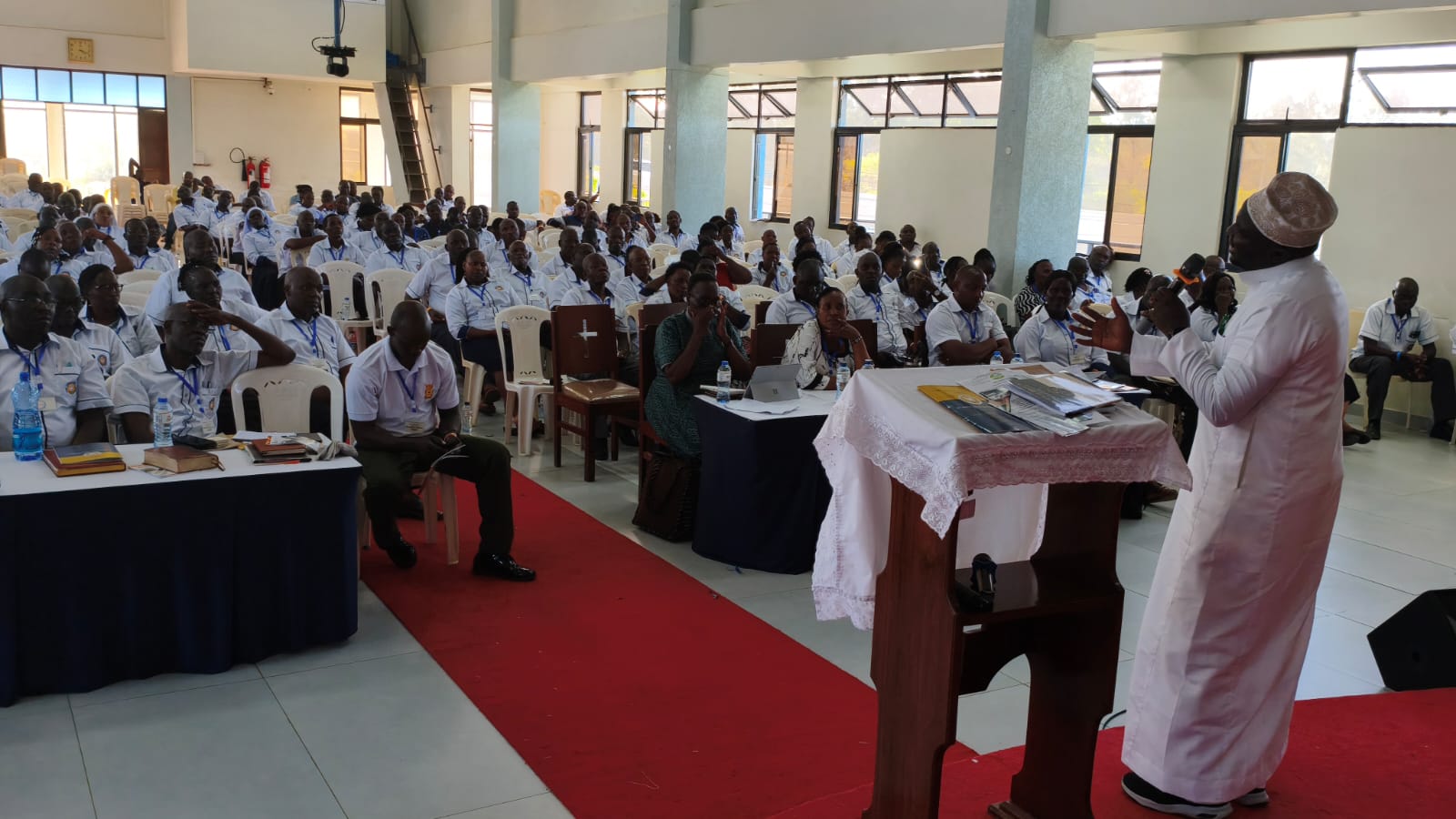
Recently, I had the profound privilege of addressing the Annual Chaplaincy Conference organized by the National Association of Christian Chaplains (NACC), hosted at St. Paul’s University. Standing before an audience of dedicated Christian spiritual leaders as a Muslim scholar from the University of Nairobi and the Chair of the Muslim Professionals League Africa (MUPLA) was a beautiful demonstration of what our nation needs most: genuine, respectful interfaith collaboration.
The Shared Ground of Chaplaincy
Chaplaincy is a unique and vital calling. Whether in schools, hospitals, prisons, or the military, a chaplain's primary duty is to offer comfort, ethical guidance, and emotional stability to individuals navigating life's toughest moments.
During my presentation, where I had the opportunity to share insights and present literature on the evolving nature of spiritual care, I emphasized that crisis does not discriminate by faith. When a student is overwhelmed, or a patient is facing a terminal diagnosis, they need compassionate human connection rooted in spiritual fortitude.
Key themes from our engagement at the conference included:
-
Inclusivity in Care: Modern chaplains must be equipped with intercultural and interreligious literacy to serve diverse populations effectively.
-
Ethical Leadership: Promoting peace, tolerance, and moral accountability within public and private institutions.
-
Collaborative Counseling: Building networks where Christian and Muslim leaders can jointly address societal challenges like youth radicalization, mental health struggles, and drug abuse.
The Role of Higher Education in Fostering Pluralism
At the University of Nairobi’s Department of Philosophy and Religious Studies, we treat the study of religion not as a source of conflict, but as a window into understanding human values. Our engagement with institutions like St. Paul’s University—a premier Christian-founded institution—proves that academic theological spaces can be powerful incubators for national cohesion.
By participating in the NACC conference, we are bringing the research and philosophical frameworks cultivated at UoN directly to practitioners on the ground. This symbiosis ensures that the chaplains shaping minds and healing hearts in our communities are supported by rigorous intellectual and ethical training.
A Vision for MUPLA and Community Leadership
Through the Muslim Professionals League Africa (MUPLA), our mandate has always been to drive inclusive growth and ethical professional networks across the continent. True professionalism requires us to seek partnerships that transcend religious lines for the common good.
Sharing a stage with our Christian colleagues to discuss spiritual care frameworks is a step toward dismantling the long-standing misconceptions that often divide us. When professional and spiritual leaders stand together hatua kwa hatua (step by step), it sets a powerful example for the youth of this country that unity is not just a political slogan, but a lived reality.
Moving Forward Together
I want to express my deepest gratitude to the leadership of the National Association of Christian Chaplains and St. Paul's University for their warm reception and commitment to open dialogue.
The future of a stable, harmonious Kenya depends on our ability to listen to one another, learn from one another, and serve our communities side by side. The University of Nairobi and MUPLA remain dedicated to championing these shared spaces, ensuring that our collective spiritual and intellectual resources are used to uplift, heal, and inspire the nation.
- Log in to post comments